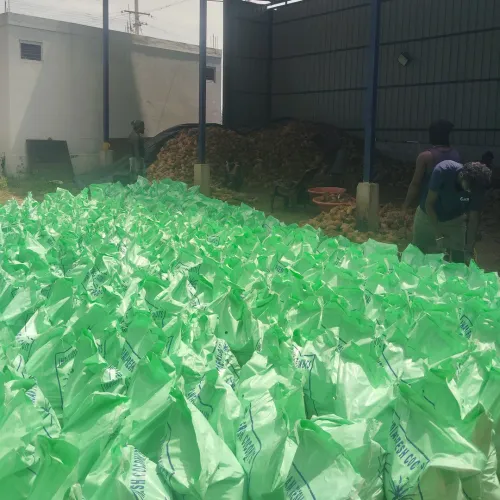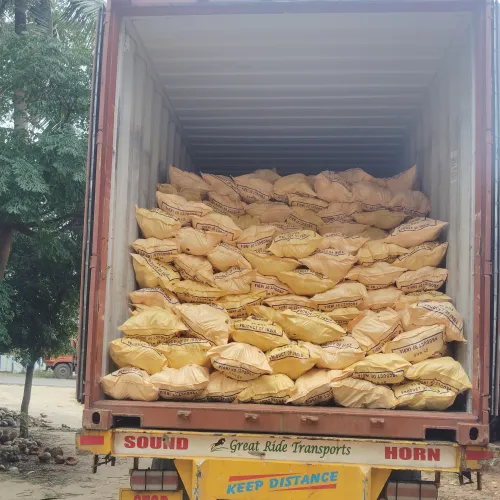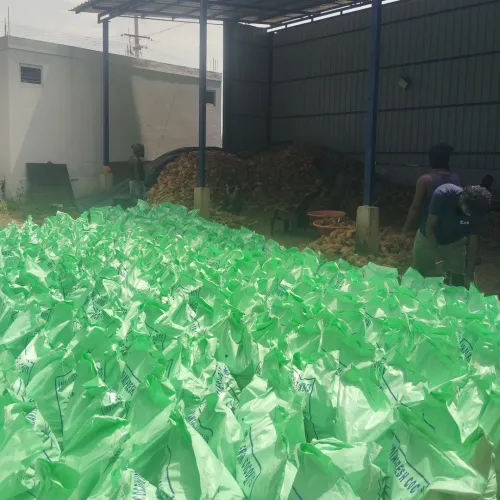
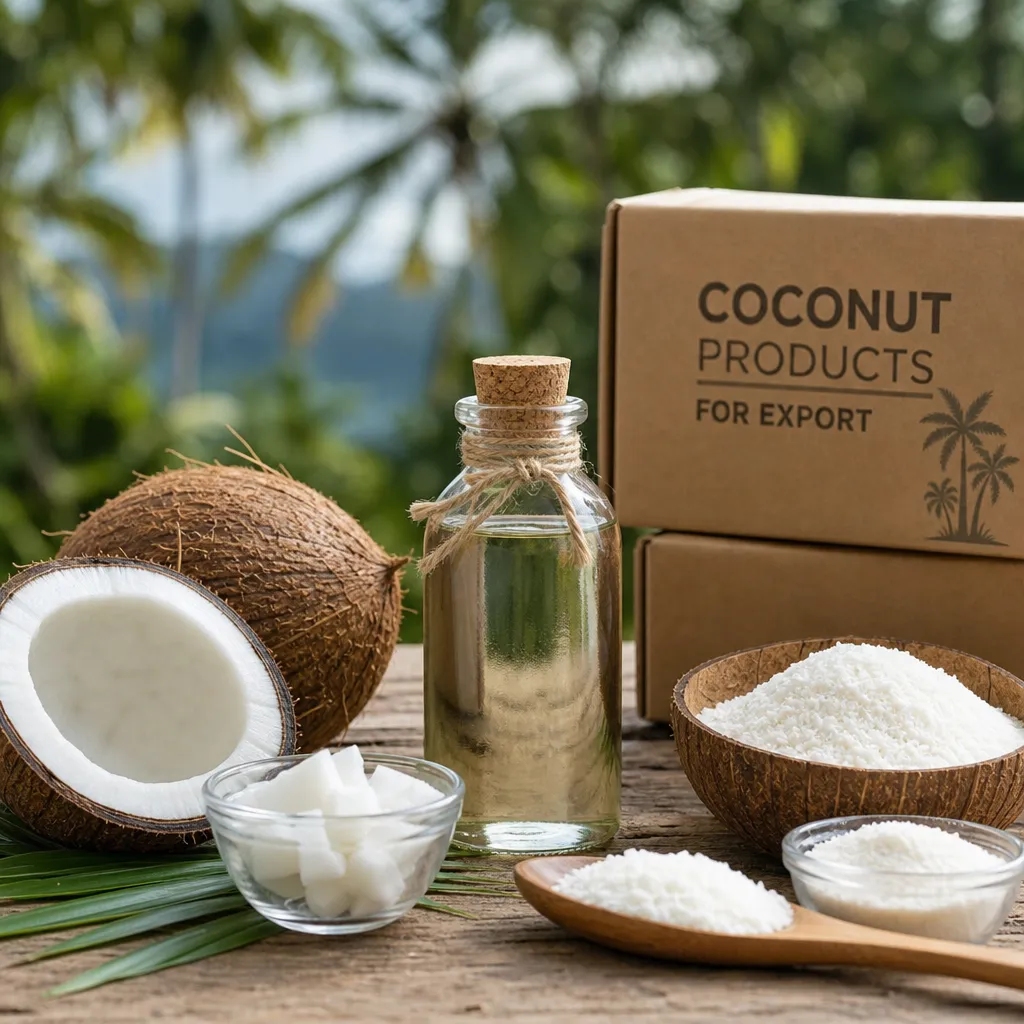
Coconut is one of the most traded agricultural commodities in the world—but “fresh,” “high-quality,” and “export-ready” can mean very different things depending on the product form (raw, husked, fully/semi husked) and the destination market. If you’re sourcing coconut products for import or distribution, the real question isn’t just where the coconuts come from—it’s how the ingredients are selected, handled, and graded so they arrive in consistent condition.
Below is a practical, export-focused guide to how quality coconut ingredients are chosen and what matters most at each step.
---
Why export quality depends on the ingredient—not only packaging
Many buyers assume export success is mostly about cartons, labeling, and paperwork. In reality, export outcomes often hinge on earlier decisions:
- Fruit maturity (age and stage of ripeness)
- Shell integrity and internal condition
- Drying and curing approach (for husked/processed forms)
- Hygiene and contamination control
- Uniform grading so shipments don’t contain mixed quality
When these factors are managed well, containers and pallets arrive with fewer issues like spoilage, off-odors, insect damage, or inconsistent sizes.
---
1) Selecting raw coconuts: maturity, shell condition, and “internal promise”
For export—especially for raw coconut—quality selection begins long before processing.
Look for the right stage of ripeness
Coconuts that are too immature may not develop the expected meat-to-cavity ratio, while over-mature coconuts may produce tougher or lower-quality meat depending on the end use.
What export buyers often prioritize:
- Consistent shell color and texture
- Expected meat thickness
- Minimal internal defects
Inspect the shell for export durability
Even if the internal quality is good, damage during handling can increase spoilage risk.
Export-friendly coconuts typically show:
- No major cracks
- No deep shell holes
- No visible mold growth
- Minimal impact bruising
Reject contamination early
Contamination isn’t only a food safety concern—it can also lead to claims, returns, and delayed clearance.
During sorting, exporters commonly remove:
- Coconuts with fungal spots
- Signs of insect activity
- Coconuts with unusual odors
---
2) Grading by size and uniformity: why consistency matters for containers
When buying coconut products for a long supply chain, uniform grading becomes a cost-management tool.
Buyers prefer predictable packing outcomes
Uniform size and weight help with:
- More stable pallet load patterns
- Better stacking efficiency
- Less void space in cartons
- Predictable yield for processors and retailers
How grading reduces “mixed shipment” risk
Mixed-quality shipments create problems such as:
- Some lots arriving acceptable while others fail
- Slower clearing for parts of the consignment
- Customer complaints based on variability
So ingredient selection often includes strict sorting to keep shipments homogeneous.
---
3) Husked coconut selection: balancing moisture, cleaning quality, and shelf stability
Once husking enters the process, ingredient quality becomes more sensitive because coconut meat and fibers can be exposed to environmental conditions.
Cleaning must be thorough (but not destructive)
Husked coconuts must be processed to remove husk residues that can:
- Carry microorganisms
- Affect odor
- Reduce shelf life in transit
Moisture control is critical
Husked products are more vulnerable to:
- Surface spoilage
- Mold development
- Off-smell formation
Export-grade handling typically includes controlling time exposure and maintaining proper drying/curing practices (depending on the product type).
---
4) Fully & semi husked coconut: knowing what “quality” means for each form
“Fully husked” and “semi husked” sound similar, but the selection criteria can differ because the end product retains different amounts of fiber and shell material.
Fully husked: cleaner presentation, stricter quality checks
Fully husked coconut generally demands:
- Clean removal with minimal residue
- Consistent meat exposure
- Better surface appearance for buyers who use it directly
Semi husked: often chosen for specific handling and processing needs
Semi husked coconuts may be selected when the supply chain values:
- Easier handling depending on buyer processing steps
- A balance of cost and usability
- Product form that suits local processing methods
In both cases, export quality depends on preventing contamination and maintaining stability through correct handling.
---
5) Coconut-related products: ingredient selection affects yield and customer acceptance
Export buyers don’t just purchase raw coconuts—they also look for coconut-related products, where ingredient quality affects:
- Yield (how much usable product is produced per coconut)
- Texture (freshness and processing suitability)
- Taste/odor profile
- Visual consistency for retail presentations
This is why ingredient selection standards remain important even when the coconut is going to become a processed product. If the raw inputs are inconsistent, the downstream product will be inconsistent too.
---
6) Handling and sourcing from specialized growing regions (why origin matters)
Coconut quality is influenced by factors like climate, soil, and farming practices. Many exporters emphasize sourcing from regions known for coconut cultivation.
For instance, coconut farms in the southern part of India are commonly associated with reliable production cycles and established cultivation practices, which can support consistent supply for export schedules. When origin is stable, grading and inventory planning become easier.
---
7) Common misconceptions about “best coconut for export”
Let’s clear up a few frequent mistakes buyers make.
Misconception 1: “Any coconut is export-ready if packaging is good.”
Not true. Packaging can protect during transport, but it cannot fix internal spoilage or prevent issues caused by poor selection.
Misconception 2: “Bigger coconuts are always better.”
Size can correlate with meat yield, but maturity stage and internal condition matter more for consistent quality.
Misconception 3: “Husked coconuts are just husked—so quality is the same.”
Actually, husked forms require careful cleaning and moisture management to prevent spoilage during transit.
---
8) Checklist: what to ask when selecting coconut products for export
If you’re sourcing for import or distribution, use this practical checklist to evaluate ingredient quality and readiness.
Raw coconut (export)
- Are coconuts sorted by size and maturity stage?
- Are damaged/cracked units removed?
- Is there a clear standard for acceptable shell conditions?
- What is the handling timeline from selection to dispatch?
Husked / fully / semi husked
- How is cleaning residue controlled?
- Are there steps to manage moisture and surface contamination?
- Is the product consistently graded for uniformity?
Coconut-related products
- Are ingredient lots assessed for quality before processing?
- Does the supplier provide consistent inputs to support predictable yield?
- How is spoilage risk managed for the specific product format?
---
9) A real-world example of why selection matters
Imagine two shipments sent in the same week:
- Shipment A includes coconuts sorted for uniform maturity, shell integrity, and minimal defects.
- Shipment B includes mixed maturity and less strict grading to “fill volume.”
Even with similar packing materials, Shipment B is more likely to experience:
- Variable meat quality on arrival
- Higher rejection rates at receiving
- Claims due to odor or spoilage in weaker units
Ingredient selection is often the difference between a smooth transit and a costly supply disruption.
---
Where local expertise can support export timelines
Many exporters in coconut-growing regions build their quality process around stable sourcing and controlled handling. For example, a supplier based in Pollachi—such as Balaji Traders & Exports (9942566626)—may support export planning by managing coconut inputs (raw and husked forms) with an emphasis on grading and product variety. In practical terms, local sourcing and experience help reduce randomness in shipments, especially when you need consistent volumes for overseas buyers.
---
Conclusion: “Best” coconuts for export are selected, not assumed
The best coconut products for export are the result of disciplined selection and careful handling—maturity, cleanliness, grading consistency, and moisture control matter more than most buyers expect.
If you’re planning procurement, focus on the ingredient logic behind quality. When quality selection is built into sourcing, shipments become more predictable, inspections become smoother, and your downstream customers receive the consistency they’re paying for.
---
If you tell me the exact product you’re exporting (raw coconut vs. fully husked vs. semi husked vs. a specific coconut-related item) and the destination market, I can tailor a tighter “buyer checklist” and quality criteria for that specific export format.
Keywords